How to Build and Brand a Proprietary Ice Chest Line with an OEM Partner
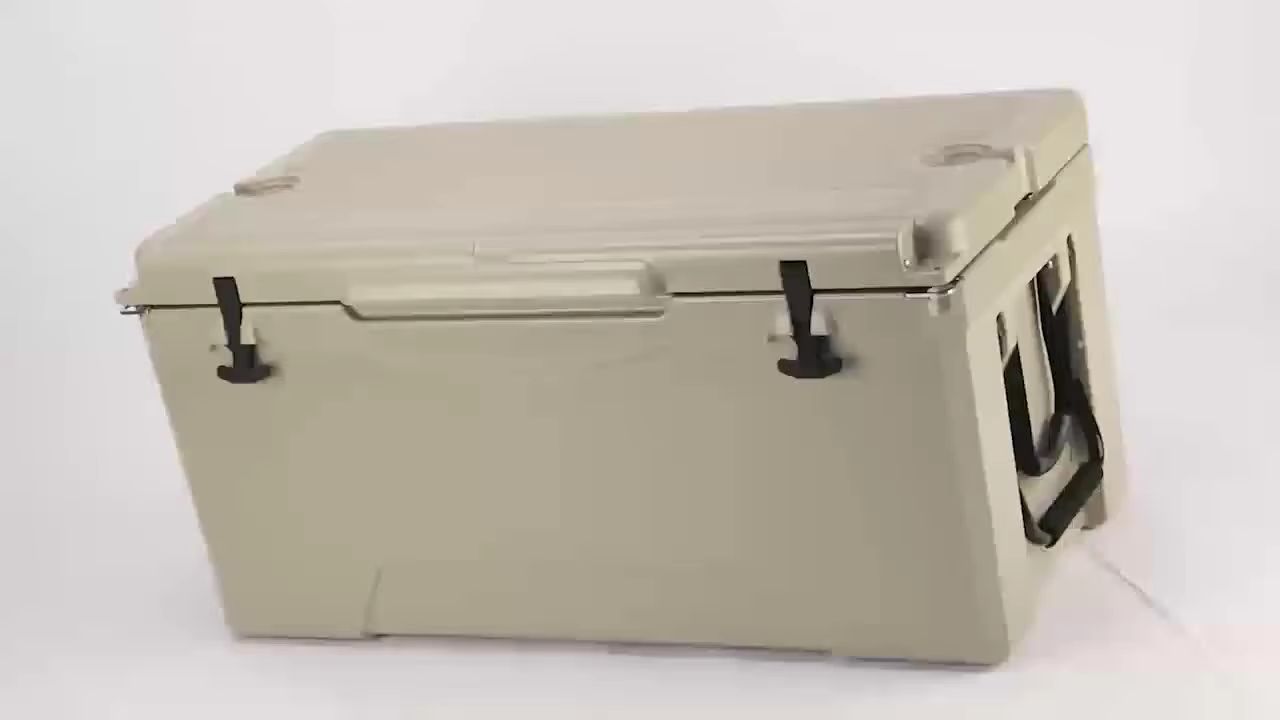
The hard cooler market has grown far beyond simple ice storage. In today’s world, brands strive to create products that represent their brand identity while meeting customer requirements for quality, style, and functionality. Developing its own line of coolers will allow the brand to create unique products rather than generic goods. Cooperation with OEM wholesale coolers manufacturers enables this opportunity through design, engineering, testing, and manufacturing processes. Knowing how a custom cooler line is created will provide useful insights throughout the development process.
Defining the Product Vision
A custom cooler starts with its vision. The product vision for such a company will depend on various aspects of coolers. They include their intended use in outdoor, travel, marine, promotional, and other applications. It is therefore critical to identify the cooler’s use to determine size, design, features, and cost.
Sharing Ideas Securely
Many businesses invest heavily in product ideas and branding. Protecting these ideas is vital when working with OEMs, usually via non-disclosure agreements before design talks. This helps companies share requirements, sketches, and concepts more confidently. At Everich, NDA procedures are available to help safeguard customer designs during development.
Turning Concepts into Drawings
After project requirements are established, designers convert ideas into technical drawings. These drawings provide a visual representation of the cooler before manufacturing begins. Dimensions, lid structures, handle locations, and storage capacity can all be reviewed at this stage. Teams at Everich, for example, use both 2D and 3D CAD drawings to help customers evaluate and refine product concepts before moving forward.
Developing the Cooler Structure
A cooler’s structure affects both appearance and functionality. It is designed with wall thickness, carrying comfort, lid operation, and overall balance in mind. Carefully planning this stage ensures that the final product is high-quality in design, satisfies the user, and is feasible to make. Structural development is also useful in determining potential improvements prior to tooling.
Creating Production Molds
After approval, mold manufacturing begins producing large quantities of coolers, shaping and controlling their size and texture. Making molds is an exacting process, and planning is important. A few reviews and adjustments may be required in the process before approval. In this phase, manufacturers like Everich tend to interact with customers in detail to ensure the mold is an exact replica of the accepted design.
Selecting Visual Elements
Custom hard cooler projects are greatly impacted by brand identity. Choosing a color is one of the initial decisions in branding. Some companies select bold hues like colorful coolers, whilst others go with neutral hues. Surface texture, surface finishes, and decorative features may also affect consumers’ perceptions of the product. These choices in visual style help distinguish one cooler line from another.
Adding Brand Recognition
The name of the company behind the proprietary cooler should be evident. Logos can be molded into the product, printed onto it, or attached as a decorative plate. Graphic wraps can alternatively be used to make it more unique. The branding techniques enable products to be differentiated in retail stores and to have a consistent, recognizable visual appearance across a range of products.
Evaluating Materials and Components
Before mass production begins, brands often review material options and component samples. Free material samples can help assess appearance, texture, and structural suitability. This stage allows businesses to confirm that selected materials align with product goals. At Everich, sample reviews support decision-making before larger manufacturing commitments are made.
Managing Production Quantities
Not every business requires the same order volume. Some companies introduce products conservatively, while others plan major product launches from the outset. Variable minimum order quantities may be helpful for various business models and lower the entry barrier for new product lines. This flexibility enables brands to match production volumes with their sales plans and market strategies.
Preparing for Manufacturing
Once approved by design, confirmed by branding, and validated by samples, the production planning process starts. Prior to assembly, the manufacturing schedule, material procurement, and quality control process are put in place. Lead times generally range between 30 and 45 days. This is based on the project’s complexity and volume. Everich uses structured production planning in order to ensure consistency in production.
Supporting Long-Term Product Growth
A successful cooler line generally grows in size after its first successful model. Upon the introduction of a brand product, other sizes, colors, and feature variations can be added. Partnering with an established OEM creates opportunities to build a broader portfolio and maintain a familiar brand identity. The use of consistent design features helps maintain the original concept across future products.
Conclusion
It’s not just a matter of choosing a product and putting a logo on the exterior to create a proprietary hard cooler line. There are several steps in the process, including concept development, collaborating safely, CAD design, mold production, branding, material testing, and production planning. All stages develop a product aligned with brand objectives and customer expectations. An organized OEM process helps companies produce custom wholesale coolers, securing a niche and supporting long-term growth.